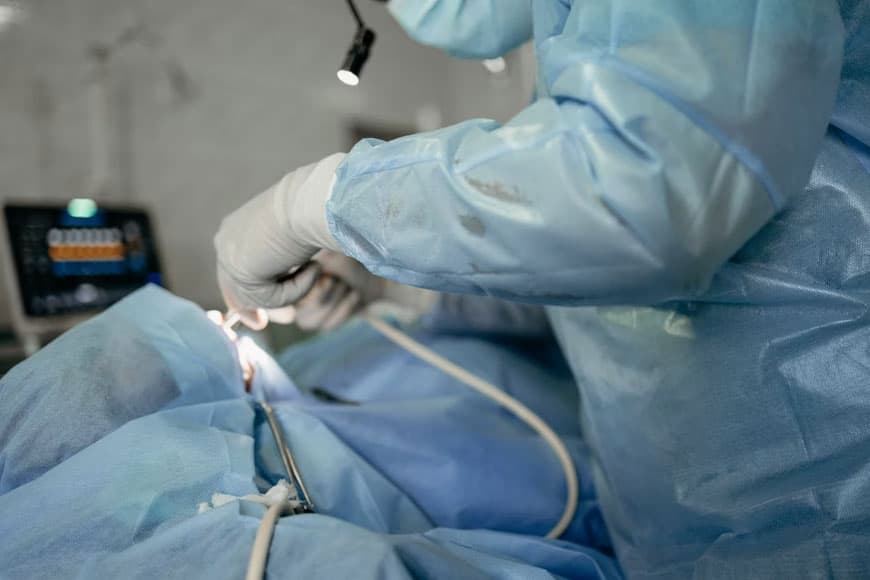
Hernia repair is one of the most common procedures performed to treat hernias, a condition in which internal tissue or organs push through a weakened area in the muscle wall.


While hernias can sometimes be painless or seem minor, they can progress to more serious complications such as incarceration or strangulation, where the blood supply to the trapped tissue is cut off, requiring urgent surgical intervention.
The only definitive treatment for a hernia is surgery, typically involving a mesh repair, as hernias do not resolve on their own.
In this article, we’ll explore the hernia treatment options available in Singapore, the associated costs, and what to expect during recovery.
Types of Hernia

| Hernia Location | Common Types |
|---|---|
| Groin region |
|
| Front of abdomen |
|
What Does Hernia Surgery Aim to Resolve?
The goal of hernia surgery is to return the displaced tissue to its proper position, reinforce the weakened muscle or connective tissue, and prevent future complications such as obstruction or strangulation.
Depending on the type and severity of the hernia, this is achieved through traditional open surgery or minimally invasive techniques like laparoscopy or robotic-assisted repair.
Surgical mesh is often used to reinforce the area and reduce the chance of recurrence.
Hernia Symptoms: When to Seek Evaluation
You may need hernia surgery if:
- The hernia is enlarging or causing pain
- You experience symptoms such as discomfort, pressure, or difficulty with bowel movements
- You have a hernia that is incarcerated (trapped) or strangulated (cutting off blood supply) — this requires prompt surgery
- Your doctor recommends it based on your health status, hernia type, and risk factors
Some hernias may be monitored over time if they are small and asymptomatic, but patients may benefit from earlier intervention, especially if the hernia starts to interfere with daily life or physical activity.
Types of Hernia Surgery

There are several surgical techniques used to treat hernias, depending on the type and complexity:
Open Hernia Repair (Herniorrhaphy or Hernioplasty)
- A single incision is made over the hernia site.
- The protruding tissue is pushed back into place.
- The muscle wall is stitched and often reinforced with surgical mesh (hernioplasty).
- Typically recommended for: Large or complex hernias (such as hiatal hernias and incisional hernias), or for emergency hernia surgeries.
Laparoscopic Hernia Repair
- Multiple small incisions are made.
- A laparoscope (camera) and tools are inserted to repair the hernia from within, usually using mesh.
- Benefits: Less scarring and faster recovery.
- Typically recommended for: Bilateral hernias, recurrent hernias, or patients seeking faster return to normal activity.
Robotic-Assisted Hernia Surgery
- A type of minimally invasive surgery where the surgeon controls robotic arms with high precision.
- May reduce post-op pain and allow more intricate repairs.
- Typically recommended for: Complex or recurrent hernias, especially in hard-to-reach locations.
What Do I Need to Take Note of Before Surgery?
Before surgery, be sure to inform your doctor if you have any existing medical conditions or are taking medication. You’ll likely be asked not to eat or drink for at least 6–8 hours before surgery. Follow your surgeon’s instructions exactly, as this is crucial for anaesthesia safety.
If you smoke, try to stop at least a few days before surgery, as smoking slows healing and increases the risk of complications. Avoid alcohol for 24–48 hours before the procedure, and lose excess weight if recommended by your doctor.
It’s advisable to arrange for someone to accompany you on the day of surgery, especially to assist with transportation and post-operative care.
Recovery Process after Hernia Surgery
Recovery from hernia surgery will vary depending on the type of surgery performed, the size and location of your hernia, and your overall health.
A hernia repair is typically considered a day surgery, meaning you can go home on the same day unless otherwise advised by your surgeon. You may feel drowsy or groggy from the anaesthesia, so it’s important to have someone accompany you home. Some tightness near the incision site is normal.
Here’s a general recovery timeline to expect:
| Recovery Stage | Guidance |
|---|---|
| The first few days following surgery |
|
| After one week |
|
| Week four onwards |
|
Does Hernia Repair Last a Lifetime?

Hernia repairs are typically long-lasting, especially with proper surgical technique and mesh reinforcement. However, no repair is 100% guaranteed to be permanent.
Recurrence rates are low, typically under 5–10%, but they can increase with poor surgical technique, inadequate healing, obesity, smoking, or resuming heavy lifting or strenuous activity too soon after surgery.
To reduce your risk of recurrence, consider the following:
- Choose your surgeon wisely
- Avoid heavy lifting for at least 6 weeks
- Maintain a healthy weight
- Treat chronic cough or constipation that increases abdominal pressure
- Quit smoking — it impairs healing and increases the risk of recurrence
- Engage in gentle core strengthening once cleared by your doctor
Is Hernia Surgery Considered a Major Procedure?
Hernia repair is generally considered a minor to moderate surgical procedure. In most cases, it is performed as day surgery or may require a short hospital stay, depending on the surgical technique used and the patient’s overall condition.
With advances in minimally invasive techniques such as laparoscopic or robotic-assisted surgery, hernia repair today typically involves a shorter operating time, less post-operative pain, and a faster recovery compared to traditional open surgery.
These innovations have contributed to making hernia surgery one of the most commonly performed procedures worldwide.
However, laparoscopic repair comes with a steeper learning curve and is typically performed by more experienced or senior surgeons.
Because of this, even though hernia surgery is common, it remains crucial to choose a qualified hernia specialist, especially if you’re considering a minimally invasive repair.
How Much Does Hernia Surgery Cost in Singapore?

| Type of Hernia Repair | Surgeon Fees in SGD |
|---|---|
| Inguinal Hernia | $3,600 to $6,000 |
| Bilateral Hernia | $5,600 to $9,000 |
| Umbilical Hernia | $4,900 to $9,000 |
| Incisional Hernia | $4,900 to $9,000 |
| Femoral Hernia | $3,600 to $6,000 |
| Hiatal Hernia | $9,300 to $14,700 |
The fees listed above follow MOH’s benchmark guidelines for private hospitals and reflect only the surgeon’s professional fees. They do not include additional charges such as prevailing GST, hospital fees, or consumable costs.
Is Hernia Repair Covered by Insurance or MediSave?
Yes, MediSave and insurance can typically be used to offset a portion of your hernia repair treatment, depending on your individual or corporate health plan.
In some cases, our staff can assist with pre-authorisations to help ensure minimal out-of-pocket expenses before the procedure. For a clearer understanding of your coverage and financing options, contact us to discuss further.
Noticed a Bulge or Discomfort? Speak to Our Hernia Specialists Today

If you’re experiencing symptoms of a hernia, it’s best to consult a doctor early. Timely repair not only helps prevent complications but also supports a smoother recovery and better long-term outcomes.
At VEC Specialists, your care is in the hands of surgeons with extensive experience in both complex and minimally invasive hernia repairs.
We take a patient-first approach, with every treatment plan tailored to your unique condition, lifestyle, and recovery goals. From diagnosis to post-surgical care, we prioritise your comfort, safety, and overall well-being, so that you can return to daily life with confidence and peace of mind.
Have questions or think you may need hernia surgery? Book a consultation with us today.
References:
- Sørensen L. T. (2012). Wound healing and infection in surgery. The clinical impact of smoking and smoking cessation: a systematic review and meta-analysis. Archives of surgery (Chicago, Ill. : 1960), 147(4), 373–383. https://doi.org/10.1001/archsurg.2012.5
- Cheong, K. X., Lo, H. Y., Neo, J. X., Appasamy, V., & Chiu, M. T. (2014). Inguinal hernia repair: are the results from a general hospital comparable to those from dedicated hernia centres?. Singapore medical journal, 55(4), 191–197. https://doi.org/10.11622/smedj.2014051