
Surgeons use hernia mesh to reinforce weakened abdominal tissue after hernia surgery. Meshes strengthen the abdominal wall and help to close the opening, leading to better recovery and long-term outcomes

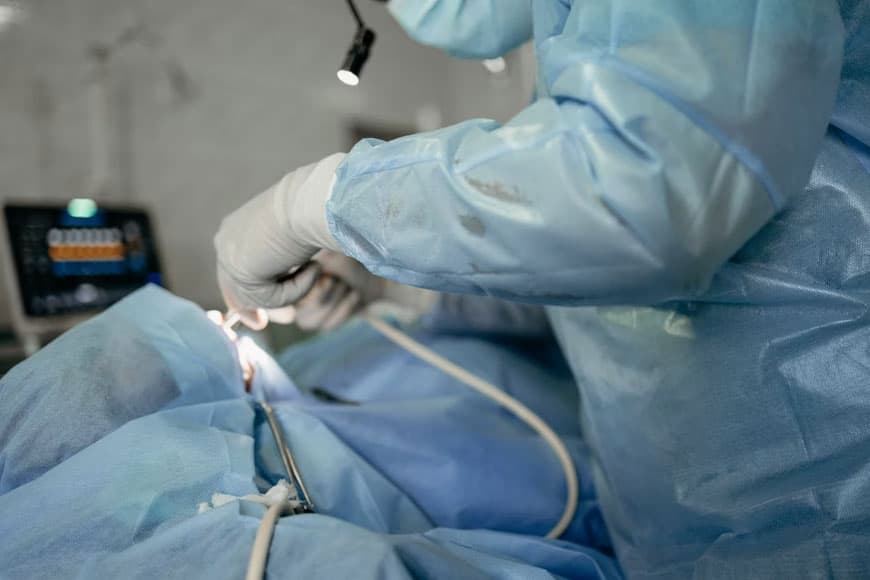
Traditional hernia surgery involved sewing together healthy tissue to cover the area affected by the hernia. This technique is still used for smaller hernias today.
However, new hernia meshes have now been developed that improve the body’s natural repair system and deliver generally better outcomes to patients. Health care providers offer a variety of mesh options, which we discuss below.
What hernia mesh options are available?
Various types of hernia mesh are available, depending on the type of surgery required. In this section, we look at different types of mesh and when surgeons might decide to use them.
Synthetic hernia mesh
Synthetic hernia mesh is one of the most popular options for surgery. It’s made from plastic materials like polyester and polypropylene in combination. Surgeons use it as a material to permanently strengthen the abdominal wall to prevent hernias from recurring or nearby weakened areas from protruding through the abdomen in the future.
Because of this, synthetic meshes remain in the body long-term. They provide ongoing support long term and won’t biodegrade.
Biological hernia mesh
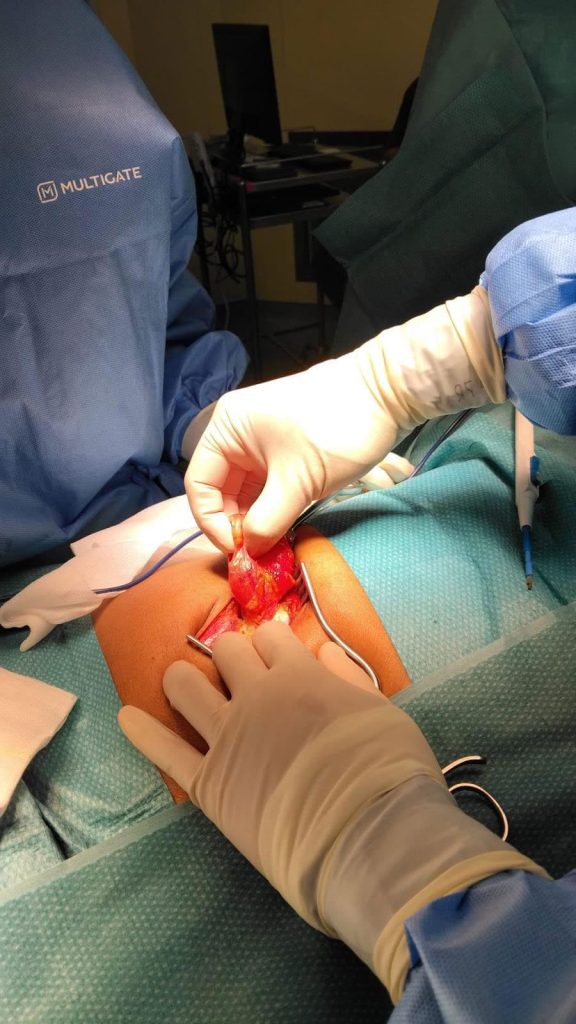
Biological hernia mesh is the other common mesh option used by surgeons, (sometimes called bio-absorbable or re-absorbable mesh). It is made of natural biomaterials that can break down in the body after giving sufficient time for healing.
In this sense, this type of mesh is a bit like sutures that dissolve naturally over time. Biological hernia meshes are a type of scaffold that provide support for new tissue to grow in the area while leaving no foreign material behind.
Biological graft
Finally, some surgeons use a biological graft depending on the hernia type and likely surgical outcomes. This graft comes from human tissues or sometimes animal sources.
Unfortunately, biological grafts are more complicated because of the risk of rejection. The patient’s immune system may not accept them, leading to inflammation.
Grafts are also non-standard, making them more challenging to fit into the relevant part of the abdomen. The upside is that biological grafts degrade naturally over time, similar to biological mesh. They can continue to support hernia repair even after the graft itself dissolves.
How do surgeons decide which hernia mesh to use?
The choice of hernia mesh is individualised and depends on several clinical and surgical factors. Surgeons aim to balance durability, safety and the patient’s overall condition when selecting the most appropriate option.
Factors that may be considered include:
- Type of hernia, such as inguinal, umbilical or incisional hernias
- Size and location of the defect in the abdominal wall
- Risk of infection or contamination, particularly in emergency or complex cases
- Patient-related factors, including age, medical conditions and previous abdominal surgery
- Need for long-term reinforcement versus temporary support during healing
In general, synthetic mesh may be considered when long-term strength is required to reduce recurrence. Biological or absorbable options may be considered in selected situations, particularly where there is a higher risk of infection or when gradual tissue integration is preferred.
Your doctor will discuss the available options and recommend an approach based on your specific condition and treatment plan.
What are the risks associated with surgical mesh?
Surgical mesh is a relatively safe option for improving healing after hernia surgery. However, as with any treatment, there are some risks. The main issues are:
- Pain
- Infection
Swelling may occur around the surgical mesh, particularly if there is an infection. In some cases, fluid can accumulate in the surrounding tissue. Rarely, the mesh may adhere to nearby structures or organs, a process sometimes referred to as erosion. If this occurs, further treatment or additional surgery may be required.
There is also a risk of seroma or haematoma formation. A seroma refers to a collection of fluid around the mesh, while a haematoma is a collection of blood. These may resolve on their own or, in some cases, require drainage. Depending on the situation, further intervention or adjustment of the mesh may be considered.
Allergic reactions to surgical mesh are uncommon, as modern meshes are made from materials that are generally well tolerated by most patients.
Overall, current clinical practice supports the use of mesh in many hernia repairs, as it can help reduce the risk of recurrence when used appropriately. There is ongoing interest in absorbable and hybrid mesh options, which aim to provide temporary support while allowing the body’s natural tissue to strengthen over time.
Your doctor can advise whether mesh is appropriate for your condition and discuss the available options, including the expected outcomes and considerations for your treatment plan.
What are the benefits of surgical mesh for hernia surgery?
Research shows that using hernia mesh can speed up surgery recovery, allowing patients to get back to their regular lives sooner. Hernias are prone to recurrence, so surgical mesh is useful for preventing recurring protrusion from the abdomen, reducing the need for subsequent surgeries.
Furthermore, surgical meshes reduce operative time. Patients don’t have to go under anaesthetic for as long, improving safety and efficiency.
Considering Hernia Repair?

If you are experiencing symptoms of a hernia, or have been advised to consider surgery, it may be helpful to seek a clinical assessment.
Your surgeon can evaluate your condition and guide you through the treatment options available. This typically includes discussing the type of hernia, the most suitable surgical approach, and whether mesh may be used as part of the repair.
Different mesh options may be considered depending on factors such as the size and location of the hernia, as well as your individual health profile. Understanding these aspects can help you feel more prepared and confident about the procedure and recovery process.
A consultation also provides an opportunity to address any concerns and clarify what to expect before and after surgery.
If you would like a clearer understanding of your condition and the available treatment options, you may consider arranging a consultation with our surgeons.
References:
- ScienceDirect (2021). Hernia mesh repair and outcomes.
Available at: https://www.sciencedirect.com/science/article/abs/pii/S1072751521001848